
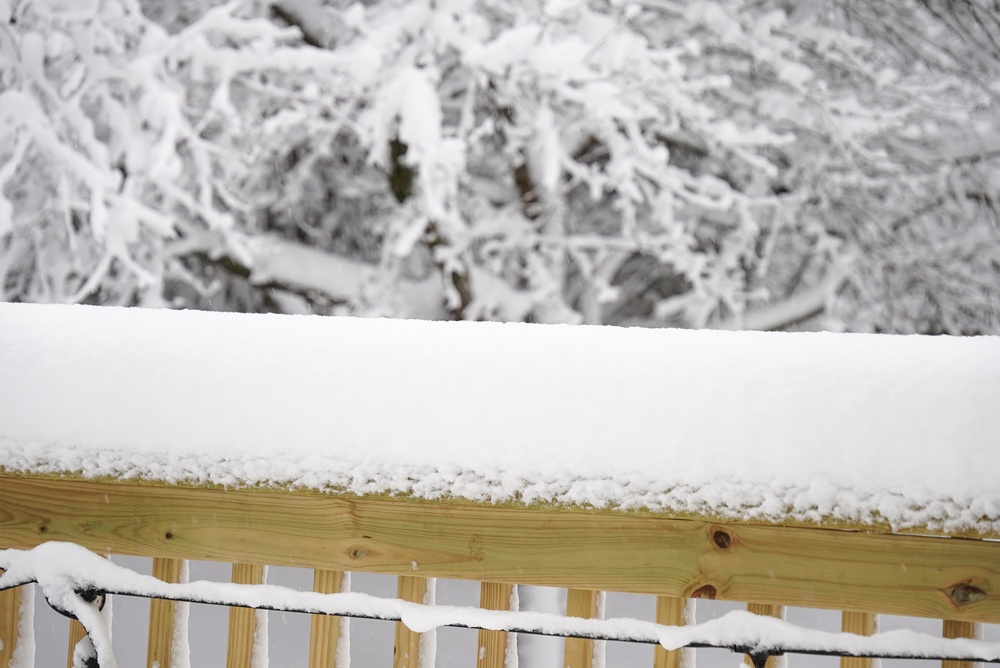
Envirotech Renovation Services helps Calgary homeowners winterize a deck before snow and ice arrive, because a few hours of fall work protect the wood, fasteners, and railings for years. Cold weather exposes every weakness in an outdoor structure. Loose boards, soft spots, and failing connections get worse under snow load and freeze-thaw cycles. This checklist shows what to inspect, what to clean, and which warning signs mean it is time to call a professional.
Why You Should Winterize a Deck Each Fall
A deck lives outdoors in every season, but winter is the hardest. Snow sits on the boards for weeks. Meltwater slips into gaps, freezes overnight, and expands. Over time, that cycle opens cracks, loosens screws, and breaks down protective finishes.
A quick fall inspection catches small problems while they are still easy to fix. It also keeps the deck safe to walk on, which matters when ice makes every surface slippery.
Start With a Safety Inspection and Cleaning
Walk the deck slowly and test it with your feet and hands. Look underneath too, if there is room to check.
- Wobbly railings or posts that move when pushed
- Soft, spongy boards that give under pressure
- Screws or nails backing out of the surface
- Rust or staining around metal connectors
- Cracked or split boards, especially near the ends
- Gaps between the deck and the house wall
Our post on what your deck is telling you before it becomes a safety risk explains these signals in more depth. A railing that moves is the most urgent. Treat it as a safety issue and do not lean on it until it is secured.
Clean the Surface Before the First Snow
Dirt, leaves, and moss hold moisture against the wood. That moisture speeds up rot and makes the surface slick. Sweep the deck first, then remove debris from the gaps between boards with a putty knife.
Wash the surface with a mild deck cleaner and a soft brush. Rinse gently. High-pressure water can scar the wood, so keep the nozzle moving and hold it back from the surface. Let the deck dry fully for a couple of days before sealing.
Check Fasteners, Flashing, and the Ledger
The ledger is the board that attaches the deck to the house. It carries a large share of the load and is one of the most important connections on the structure. Water that gets behind it can rot the house framing as well as the deck.
Look for loose bolts, rust, and gaps. Check that flashing above the ledger still directs water away from the wall. If the ledger looks damaged, stop and call a professional, because this is not a DIY repair.
A Schedule to Winterize a Deck at a Glance
Use the table below to break the job into manageable parts. Dry days in early to mid fall work best. Spread the work over two or three weekends, so no single day feels rushed.
| Task | What it involves | When to do it | Notes |
|---|---|---|---|
| Inspection | Test railings, boards, and connectors | Early fall | Mark problem spots with tape |
| Cleaning | Sweep, wash, rinse, dry | Early fall | Wait for dry weather |
| Fastener check | Tighten or replace loose hardware | Early to mid fall | Use exterior-rated screws |
| Sealing or staining | Apply protective finish | Mid fall, dry days | Follow product temperature limits |
| Furniture and planters | Move, cover, or store | Before first snow | Prevents trapped moisture |
| Snow management | Clear gently during winter | After each snowfall | Use a plastic shovel |
Protect Furniture, Planters, and Covers
Items left on the deck trap moisture underneath them. Wet planters leave dark rings and rot spots. Furniture legs press into soft wood and hold water against it. Move planters off the deck, store cushions indoors, and lift furniture onto blocks or into a shed.
If a cover is needed, choose breathable material. A sealed plastic tarp traps condensation and encourages mould, while a ventilated cover lets air move. Leave space around the edges so the boards can dry.
Seal and Protect the Wood
A good sealer or stain keeps water from soaking into the grain. Choose a product made for exterior decks and check the label for temperature limits, since many finishes need daytime temperatures above a certain point to cure. In Calgary, late September and early October are often the safest window, although weather varies.
Apply thin, even coats and avoid puddles. Pay extra attention to board ends, which absorb the most water. Wood species and age affect how often you should reseal, and many finishes last roughly one to three years, depending on exposure.
Manage Snow and Ice the Right Way
Winter care is simpler when you have a plan. A deck that is clear, dry, and free of heavy drifts also protects the wood from the slow damage that comes from standing water. Clear snow regularly so it does not turn into dense ice. Use a plastic shovel with a smooth edge, because metal blades catch on boards and damage the finish.
Choose your de-icer carefully. Rock salt can corrode fasteners and stain wood. Sand adds traction without chemical damage. Shovel with the grain of the boards, and avoid chopping at ice.
Mistakes That Shorten a Deck’s Life
Some habits cause damage quietly. Sealing wet wood locks moisture inside and leads to peeling. Using a pressure washer at close range roughens the surface. Leaving snow piled against the house wall can push meltwater behind the ledger.
Avoiding these three errors is often more valuable than any special product. A clean, dry, lightly sealed deck with working drainage handles winter far better than a heavily coated one with trapped moisture.
Know When to Repair and When to Replace
Minor issues, such as a single loose board or a few exposed screws, are usually quick repairs. Widespread soft wood, sagging, or a damaged ledger is different. These problems affect structural strength and call for a professional assessment.
Municipal rules may also apply when a deck is rebuilt or enlarged. The City of Calgary explains when approvals are needed on its building permits page. Our team can walk through the options on the deck and patio construction page, and an honest quote follows after an on-site assessment.
Finally, keep a short record of what you did and when. Note the date of cleaning, the product used for sealing, and any spots you want to watch. Next fall, that list turns the whole job into a quick review instead of a fresh investigation.
Frequently Asked Questions
When should I winterize a deck in Calgary?
Early to mid fall is ideal, after summer heat ends but before regular snowfall. Aim for a stretch of dry days so cleaning and sealing can cure properly.
Do I need to remove snow from my deck?
Light snow can stay, but heavy accumulation adds weight and traps moisture. Clear it gently after storms with a plastic shovel.
Can I stain a deck in cold weather?
Only if the product label allows it. Most finishes need a minimum temperature range to cure. Check the label before you start.
What is the most important part of a deck to inspect?
The ledger and railing connections matter most, since they affect safety directly. If you see rot, rust, or movement, have them checked.
Contact Envirotech Renovation Services
If your inspection turns up something you are unsure about, we can take a look.
- Phone: 403.390.5581
- Address: 5545 1a St SW, Calgary, T2H 0E6
- Hours: Monday to Saturday, 8am to 6pm