
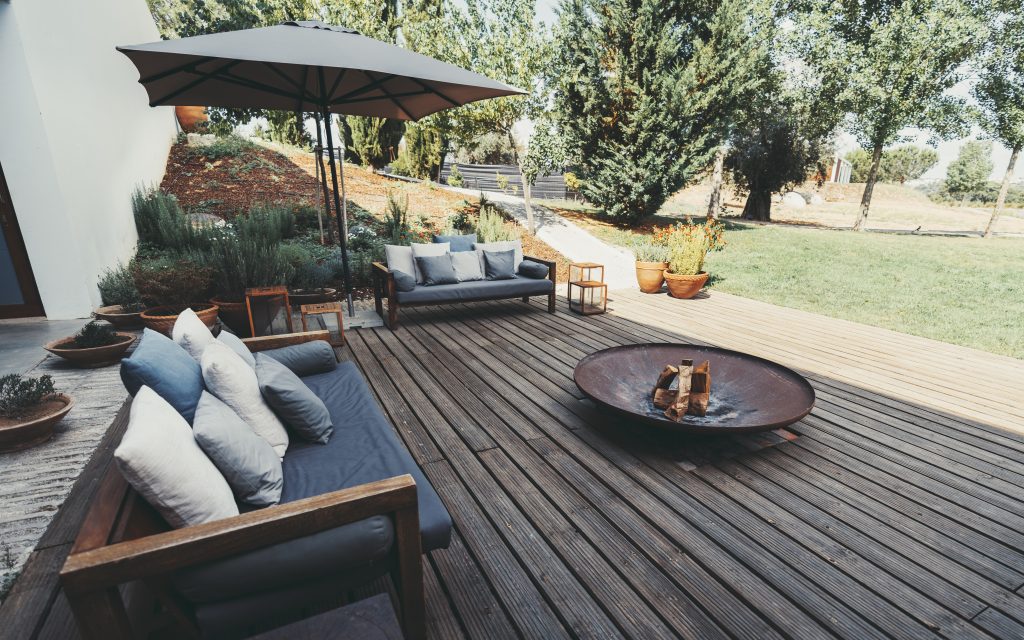
Your deck looks fine at a glance. However, a closer look often tells a very different story. Many Calgary homeowners walk past early warning signs every single day. Consequently, small issues quietly become expensive repairs — or worse, safety hazards. Knowing what to look for can save you thousands of dollars and protect your family.
Envirotech works with homeowners who ignored a loose board for two summers and ended up needing a full rebuild. That outcome is avoidable. Furthermore, most decks give clear signals well before they reach that point.
What Counts as a Warning Sign?
Start with the surface. Boards that flex, bounce, or feel soft underfoot point to moisture damage in the substructure. Specifically, spongy wood means rot has already moved beyond the surface layer. Surface-level rot you can see is rarely the whole problem.
Check your fasteners next. Nails that pop up or screws that spin freely mean the wood beneath has lost its grip. In addition, look at the spacing between boards. Gaps that have widened over time suggest the deck has shifted or swelled unevenly. Both issues compromise the deck’s overall stability.
Look at the ledger board — the piece where your deck connects to your house. This is the most critical structural point. Cracks, separation, or visible rust on the hardware here demand immediate attention. A failed ledger board causes most deck collapses. Envirotech always inspects the ledger connection first during any deck and patio construction or assessment job.
Posts, Footings, and the Ground Beneath
Deck posts that lean or wobble point to footing failure. This happens when concrete footings shift, crack, or settle unevenly over time. Therefore, if your railing moves when you push it, the post is not just cosmetic — it is a structural concern.
Dig gently around the base of a post if you suspect rot. Healthy wood is firm and resists a screwdriver tip. Rotted wood gives way immediately. Similarly, check the hardware connecting the post to the footing. Corroded or loose post bases transfer that weakness directly upward into the frame.
Envirotech teams also check for moisture pooling near the base of deck posts. Pooled water accelerates rot faster than almost anything else. Proper grading and drainage around your deck extends its life significantly.
Railing, Stairs, and Overlooked Details
Railings save lives. However, most people grab them only to test — not to use. Give every section of railing a firm push. According to Canadian building code, deck railings must withstand 200 pounds of lateral force. Therefore, if yours wobbles under normal hand pressure, it does not come close to meeting that standard.
Stairs take more abuse than any other part of the deck. Stringers — the angled supports beneath each step — rot from the inside out. Consequently, a stair tread can look solid while the stringer underneath has lost most of its strength. Step on the edge of each tread and feel for flex or give.
While your contractor assesses the deck, it is also a good time to evaluate the condition of your home’s exterior overall. Issues like damaged roofing services or failing cladding often show up alongside deck deterioration, since both result from years of exposure to the same weather conditions.
When Maintenance Stops Being Enough
Some decks need repairs. Others have passed the repair threshold. So how do you tell the difference? Generally, if more than 30% of your deck’s structural members show rot or serious damage, a rebuild makes more financial sense than patching.
Repainting or re-staining a damaged deck does not fix it. In fact, fresh exterior painting over compromised wood traps moisture and speeds up the damage underneath. Paint is not a structural solution — it is a finishing step that comes after structural repairs, never before.
Envirotech provides honest assessments. The team walks homeowners through exactly what needs replacing and what is still structurally sound. That transparency helps you make a decision based on real information rather than sales pressure.
Planning Your Next Step
If your deck needs full replacement, summer is the best time to act. The ground is firm, scheduling is easier, and you can actually enjoy the finished result before the season ends. Envirotech handles everything from pulling permits to final inspection.
Many homeowners who renovate their outdoor spaces also take the opportunity to address interior projects at the same time. A basement renovation paired with an outdoor rebuild is a common combination — both add living space and resale value simultaneously.
However you choose to move forward, do not let warning signs sit. A deck that feels slightly off today can become genuinely dangerous by the end of the season. Envirotech is available for inspections, repairs, and full builds across Calgary.
Meanwhile, if you are planning any other home improvements this year, Envirotech handles a full range of services. From a bathroom renovation to exterior structural work, one contractor managing multiple projects keeps your timeline clean and your budget predictable.
Contact Envirotech today to schedule your deck assessment. The call is free. The peace of mind is worth it.
Frequently Asked Questions
How often should I inspect my deck for safety issues? Inspect your deck at least once per year, ideally at the start of summer. Focus on the ledger board, post bases, railing connections, and stair stringers. Early detection keeps repair costs low.
What is the average lifespan of a pressure-treated wood deck? A well-maintained pressure-treated deck lasts 15 to 25 years. However, decks in Calgary that receive little maintenance or have drainage issues often show serious deterioration within 10 years.
Can I repair my deck myself or should I hire a contractor? Surface board replacement is manageable for experienced DIYers. However, any work involving the ledger board, posts, footings, or structural framing requires a professional. Structural errors are not visible until something fails.
Does a deck rebuild require a permit in Calgary? Yes. Any structural deck work in Calgary typically requires a building permit. Envirotech handles the permit process on your behalf as part of every project.
What is the most common cause of deck collapse in residential homes? Ledger board failure causes the majority of residential deck collapses. The ledger connects your deck to the house, and when its hardware corrodes or the wood rots, the entire deck loses its primary anchor point.