
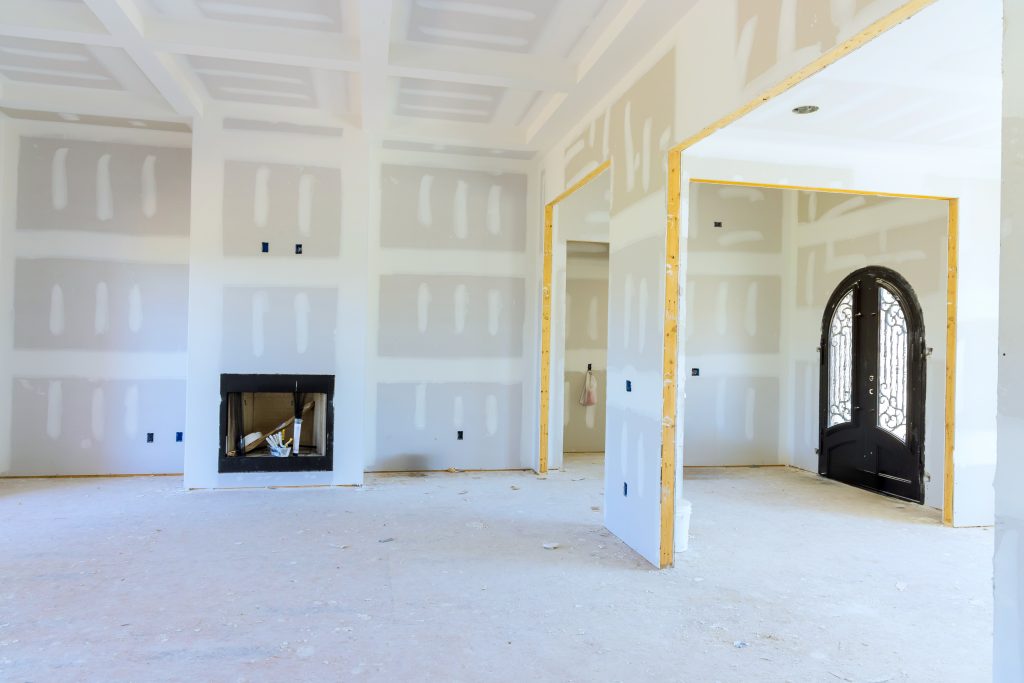
When homeowners dream of a flawless wall finish, they picture smooth paint and clean lines. But the real story begins long before any paint roller touches a surface. Envirotech knows that wall finish preparation is the hidden foundation of every beautiful interior. Without it, even the most expensive finishes fail quickly. What happens behind the scenes determines everything you see in the final result.
Why Wall Finish Preparation Is More Than Just Primer
Most people underestimate the preparation stage. They assume walls simply need a quick sand and a coat of primer. In reality, skilled contractors work through a detailed process before a single finish coat goes on.
The wall must be structurally sound first. Any flex, movement, or weakness in the wall system will telegraph through every layer above it. This means the framing underneath must be solid and true. If you work with a wood framing contractor from the start, you build a reliable base that holds finishes for decades.
After framing, the surface material goes up. Drywall is the most common choice in modern construction. But installing drywall correctly takes real skill. Panels must be cut cleanly, fastened at the right intervals, and fitted tightly around doors, windows, and corners. Gaps, loose fasteners, or bowed panels all create problems that show up in the final finish.
The Critical Role of Drywall Work in Wall Finish Preparation
Drywall finishing is one of the most demanding trades in construction. The process moves through multiple stages, and each one depends on the previous being done right.
First, a contractor applies joint compound over every seam and fastener. They embed tape into wet compound along all seams. This tape reinforces the joint and prevents cracking. Once dry, they sand the surface lightly and apply a second coat. Then a third. Each coat goes on thinner than the last. Each one gets feathered out wider to blend seamlessly into the surrounding surface.
Experienced drywall contractors in Calgary understand that patience here saves enormous time later. Rushing any coat leads to shrinkage cracks, ridges, and visible seams under paint. No amount of paint corrects a poor tape job.
After all coats dry fully, the entire surface gets sanded smooth. This is dusty, detailed work. Contractors use strong lighting at low angles to catch any remaining imperfections. A ridge that is invisible under normal lighting will show dramatically once paint goes on.
How Moisture and Environment Affect the Process
Environmental conditions affect wall finish preparation more than most homeowners realize. Temperature and humidity both influence how joint compound dries and adheres.
Compound applied in cold conditions dries slowly and may crack. Compound applied in high humidity may not bond properly. Skilled contractors monitor conditions throughout the process. They use fans, dehumidifiers, or heaters when necessary to maintain proper drying conditions.
Moisture inside walls is a separate concern. If water has entered through the exterior or through plumbing, the wall must be addressed before any finishing begins. Wet framing swells and moves. Wet drywall grows mold and crumbles. This is why exterior protection matters so much. Proper siding replacement keeps moisture out at the source before interior walls face damage.
Bathroom Walls Require Extra Attention
Bathroom walls present unique challenges during wall finish preparation. Steam, standing moisture, and temperature swings put more stress on finishes than any other room. Standard drywall is not appropriate in wet zones.
Contractors use moisture-resistant board in areas near showers, tubs, and sinks. They apply waterproofing membranes before tile or other finishes go on. Every seam and corner in a wet area gets sealed. Missing this step leads to mold, delamination, and eventual structural damage.
A professional approach to bathroom renovation treats the preparation phase as seriously as the visible finish. The waterproofing and substrate work are what make a bathroom last.
Surface Priming and Final Inspection
Once walls are sanded and cleaned, priming comes next. Primer seals the surface, equalizes porosity between drywall and compound, and gives paint a consistent base to adhere to. Skipping primer leads to uneven sheen and poor paint adhesion.
A thorough contractor inspects the primed wall under raking light one final time. This reveals any flaw missed during sanding. They address each one before the finish coat goes on.
This is where wall finish preparation separates professional results from amateur ones. The extra inspection step costs a small amount of time. It prevents costly callbacks and unhappy clients.
Bringing It All Together
Every smooth, beautiful wall finish you admire started with hours of unseen work. Framing, drywall, taping, coating, sanding, priming — each step builds on the last. Skipping or rushing any stage means the final product disappoints.
Envirotech approaches every project with this full-process mindset. From structural framing to final inspection, each phase gets the attention it deserves. That commitment is why finished results look clean, hold up over time, and meet client expectations.
If you are planning a renovation and want the quality to show in every surface, look for contractors who respect the preparation process as much as the final coat. That respect is the difference between a wall that looks good in photos and one that looks good for years.
For full-service renovation work in Calgary, renovation services in Calgary are available to guide your project from start to finish. Envirotech brings skilled tradespeople to every phase so nothing gets missed.
Wall finish preparation is not a shortcut step. It is the entire foundation of a result worth being proud of.
Frequently Asked Questions
1. What is wall finish preparation and why does it matter? Wall finish preparation refers to all the steps taken before paint or final surface materials go on a wall. This includes framing, drywall installation, taping, coating, sanding, and priming. These steps determine the final quality and durability of the visible surface.
2. How long does wall finish preparation typically take? The timeline depends on the size of the project and the number of drywall coats needed. Most standard rooms require several days minimum for compound to dry fully between coats. Rushing the drying process leads to cracks and visible seams.
3. Can I skip the priming step before painting? Skipping primer is not recommended. Primer seals the surface, prevents uneven sheen, and improves paint adhesion. Paint applied directly over bare drywall or compound absorbs unevenly and often requires additional coats to look acceptable.
4. Why do bathroom walls need different treatment than other walls? Bathrooms experience high humidity, steam, and temperature changes. Standard drywall breaks down in these conditions. Moisture-resistant board and waterproofing membranes are required in wet zones to prevent mold and structural damage.
5. What should I look for when hiring a contractor for wall finishing work? Look for contractors who discuss the full preparation process, not just the visible finish. Ask about their taping and coating process, how many coats they apply, and how they inspect finished surfaces. A contractor who values preparation will deliver results that last.