
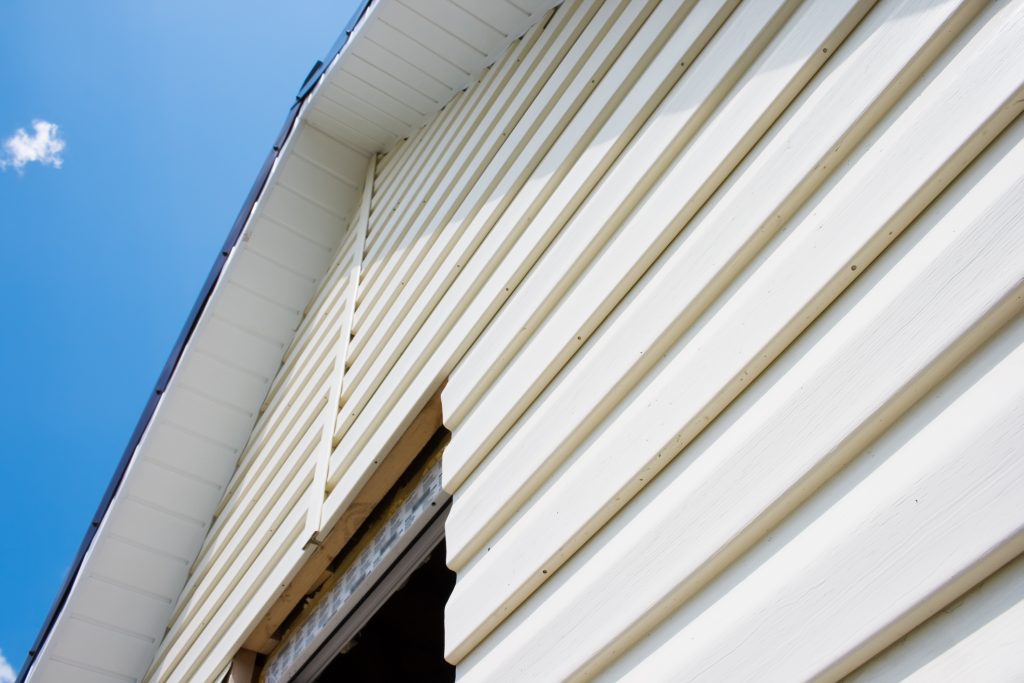
Strange sounds from your walls can feel unsettling, especially when siding begins to crack, pop, or shift. These noises are often early signs of deeper issues, therefore ignoring them can lead to more serious damage over time. Envirotech often helps homeowners understand what these sounds mean and how to respond before problems grow.
Why Siding Makes Noise in the First Place
Siding is constantly exposed to changing temperatures, moisture, and wind pressure. As a result, materials expand and contract throughout the day, especially in climates like Calgary. This movement can cause snapping or popping sounds that seem unusual at first.
However, not all noise is harmless. In some cases, loose panels, improper installation, or aging materials may cause siding to move more than it should. That is to say, what sounds like a minor issue can signal that the structure underneath is shifting or weakening. If the noise becomes frequent or louder, it is often time to explore siding replacement options.
Small Sounds That Point to Bigger Problems
At first, you might hear light tapping or clicking, especially during temperature changes. Meanwhile, these sounds can slowly turn into louder creaks or even visible movement in the panels. This progression usually indicates that something behind the siding is no longer stable.
For example, fasteners may loosen over time, allowing sections to shift more than intended. In addition, moisture buildup behind the panels can weaken the support structure, making noise more noticeable. When these conditions combine, the siding begins to “talk back” in ways that should not be ignored.
A professional inspection often reveals that these small signs connect to deeper structural concerns. Consequently, early action can prevent costly repairs later.
Weather Changes and Material Stress
Weather plays a major role in siding behavior. During hot days, materials expand, and during cooler nights, they contract. This constant cycle puts stress on joints and connections. In other words, your siding is always moving, even when it looks still.
Strong winds can also create pressure against the exterior, causing panels to flex or vibrate. Likewise, sudden temperature drops can make materials stiff and more prone to cracking sounds. Over time, this repeated stress can weaken both the siding and the framing beneath it.
In many cases, what starts as harmless expansion noise becomes more serious when installation gaps or fastening issues exist. Therefore, regular checks are important to catch these changes early.
When Noise Means Structural Concerns
Sometimes, the issue goes beyond the siding itself. If the underlying frame shifts or settles, the exterior panels react to that movement. This is where experience matters, because the sound you hear might actually come from deeper inside the wall.
For instance, damaged studs or weak framing can allow sections of siding to shift unevenly. In addition, water damage can soften structural components, making them less stable over time. When this happens, the siding becomes a warning system rather than the main problem.
Addressing these concerns may involve working with a wood framing contractor to restore proper support. Once the structure is stable, the exterior can perform as intended without unusual movement or noise.
The Role of Interior Conditions
Interestingly, interior conditions can also influence siding performance. Poor insulation, uneven humidity, or airflow problems can affect how walls expand and contract. As a result, the exterior responds to what is happening inside the home.
For example, gaps in insulation can create temperature differences across the wall, causing uneven expansion. Similarly, moisture buildup inside can push outward, affecting siding alignment. This is why many siding issues connect to larger home systems.
In some cases, combining exterior work with interior renovation helps solve the problem completely. By improving both sides of the wall, homeowners can reduce stress on materials and prevent recurring noise.
Surface Issues That Add to the Problem
Sometimes, the issue is not structural but still affects how siding behaves. Worn finishes, peeling coatings, or damaged surfaces can make materials more vulnerable to temperature changes. Consequently, even minor defects can amplify noise.
Proper finishing protects siding from moisture and UV exposure. For instance, maintaining surfaces with professional painting services Calgary can extend the life of exterior materials. A well-sealed surface moves more evenly and produces fewer unexpected sounds.
Although surface issues may seem cosmetic, they often play a role in how siding responds to environmental stress.
When to Take Action
Not every sound requires immediate repair, but patterns matter. If noises become more frequent, louder, or are paired with visible movement, it is time to act. Above all, consistent changes usually indicate that something is shifting beyond normal limits.
Homeowners often delay action because the issue seems minor. However, early repairs are usually simpler and more affordable than waiting for visible damage. A professional assessment can quickly identify whether the problem is surface-level or structural.
Envirotech focuses on practical solutions that address both the cause and the effect. This approach ensures that the siding remains stable, quiet, and durable over time. You can also explore more about complete exterior solutions through the main home renovation services available for Calgary properties.
Long Term Benefits of Fixing the Issue Early
Fixing siding noise early does more than eliminate sound. It helps protect insulation, prevents moisture damage, and maintains the structural integrity of your home. In the same vein, it improves energy efficiency by reducing gaps and air leaks.
Over time, small problems can grow into major repairs if ignored. Therefore, treating unusual siding behavior as an early warning can save both time and money. Proper repairs also improve curb appeal and overall comfort inside the home.
A quiet exterior is often a sign that everything behind it is working correctly. Addressing issues early ensures that your home continues to perform as it should in all seasons.
FAQs
What causes siding to make popping sounds?
Popping sounds usually come from expansion and contraction due to temperature changes. However, loose fasteners or installation issues can increase these noises and indicate that repairs may be needed.
Is it normal for siding to make noise at night?
Yes, temperature drops at night can cause materials to contract, leading to sounds. However, frequent or loud noises may signal structural or installation problems.
Can loose siding lead to bigger issues?
Yes, loose siding can allow moisture and air to enter, which may damage the structure behind it. Over time, this can lead to costly repairs if not addressed early.
Should I replace siding or repair it?
It depends on the condition. Minor issues can often be repaired, but widespread damage or aging materials may require full replacement for long-term performance.
How do I know if the problem is structural?
If you notice uneven walls, persistent noise, or visible shifting, the issue may involve the structure. A professional inspection can confirm whether deeper repairs are needed.