
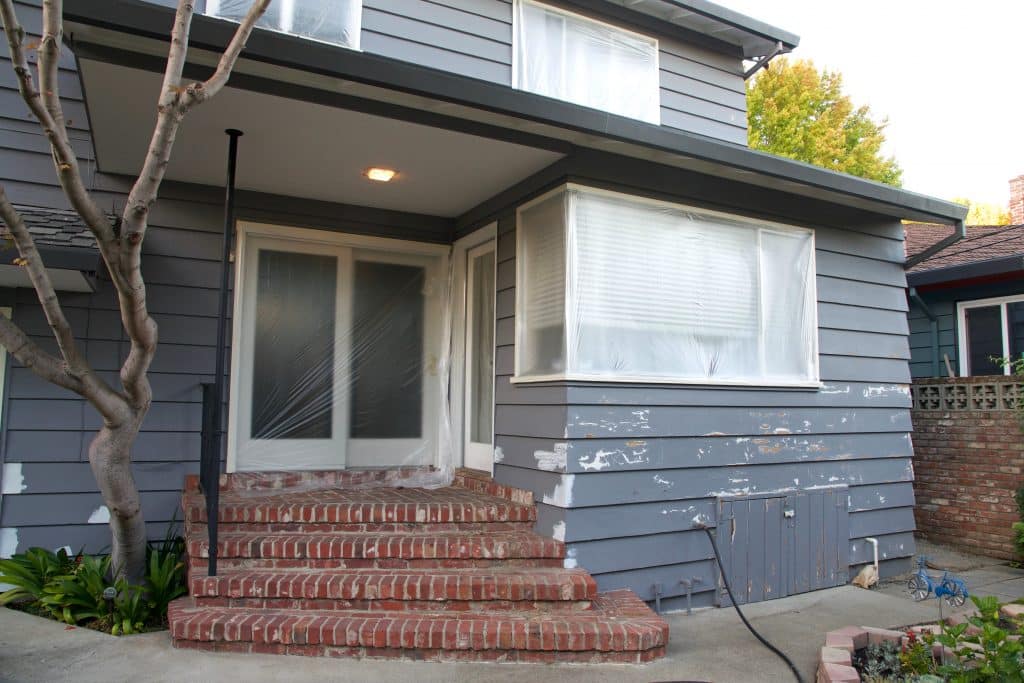
Calgary homeowners know that weather is relentless. Envirotech has seen firsthand how seasonal extremes gradually wear down even the most well-built homes. Home exterior weather damage starts small — a hairline crack, a faded panel, a warped board — but it compounds over time. If you ignore these early signs, repair costs grow fast. Understanding how weather affects your home’s exterior is the first step toward protecting your investment.
What Weather Actually Does to Your Home’s Exterior
Weather does not attack your home all at once. It works slowly, season by season, layer by layer.
In winter, moisture seeps into small cracks in siding, caulking, and framing. When temperatures drop, that moisture freezes. Ice expands and widens the crack. When it thaws, the gap is larger than before. This freeze-thaw cycle repeats dozens of times each winter in Calgary. By spring, what started as a hairline fracture becomes a serious vulnerability.
Summer brings a different kind of punishment. UV rays break down surface materials. Paint fades. Vinyl becomes brittle. Wood dries out and contracts. High heat causes expansion in metal and composite panels. These shifts happen at the material level, and they slowly compromise the structural integrity of your exterior.
Fall introduces heavy moisture. Leaves trap water against surfaces. Rain soaks into exposed wood and unprotected joints. If your siding has gaps or worn sections, water finds its way in. That trapped moisture sets the stage for mold, rot, and insulation damage over winter.
Spring accelerates all of it. Snowmelt runs down walls. The ground shifts as frost leaves the soil. Foundations settle slightly. Cracks that were barely visible become obvious.
The Materials That Suffer Most from Home Exterior Weather Damage
Not all exterior materials handle weather the same way. Some hold up longer. Others show wear fast.
Wood is the most vulnerable. It absorbs moisture, swells, contracts, warps, and rots. Without consistent maintenance, wood siding and trim break down within a few years of exposure.
Vinyl siding handles moisture well but struggles with UV and cold. It fades over time. In extreme cold, it becomes brittle and can crack on impact.
Stucco and concrete board resist moisture better than wood but are not immune. Cracks form along seams and impact points. Once water enters a crack, the damage accelerates.
Metal panels expand and contract with temperature swings. Fasteners loosen. Seams separate. Rust begins where coatings fail.
Framing beneath the exterior is often the last to show damage — but the most expensive to fix. Water that gets past siding eventually reaches the structural wood framing inside your walls. Rot in framing is a serious structural issue that demands professional attention.
How to Read the Signs Early
You do not need to wait for visible rot or water stains. Several early warning signs point to home exterior weather damage before it becomes severe.
Look at your paint and finish first. Peeling, bubbling, or flaking paint means moisture is getting beneath the surface. This is a warning, not just a cosmetic issue.
Check your caulking and seals. Caulk around windows, doors, and trim shrinks and cracks over time. Gaps let in both air and water. Replacing worn caulking is low-cost and high-impact.
Inspect your siding after winter. Look for warped panels, gaps at seams, or any section that feels soft when pressed. Soft spots in siding mean moisture has already gotten in.
Look at your roof-to-wall transition. This junction is one of the most common water entry points. Flashing that has shifted or deteriorated allows water to run behind the siding.
Watch for interior signs too. Stains on interior walls near exterior surfaces, cold spots, or unexplained drafts often trace back to exterior weather damage. The damage starts outside and works its way in.
Why Timely Repairs Matter More Than You Think
Delaying repairs is expensive. One small crack becomes a rotted panel. One rotted panel leads to compromised framing. Compromised framing requires a partial renovation rather than a simple patch.
Envirotech works with homeowners across Calgary to catch problems early. The goal is always to repair at the smallest scope possible. Addressing home exterior weather damage in its early stages costs a fraction of what full restoration requires.
Beyond cost, there is comfort and energy efficiency to consider. A compromised exterior leaks heat. Your furnace runs longer. Energy bills climb. Drafts and cold walls make living spaces uncomfortable. Restoring your exterior brings those costs back under control.
Water damage also affects air quality. Moisture trapped in walls creates ideal conditions for mold growth. Mold behind your walls is a health issue, not just a structural one. Catching exterior damage early keeps that risk off the table.
What Exterior Repairs and Renovations Actually Look Like
Every home and every type of damage is different. But most home exterior weather damage repairs fall into a few clear categories.
Siding replacement is one of the most common. When siding has cracked, warped, or deteriorated past repair, full replacement gives you a fresh start. Modern siding products perform better than older materials. They resist UV, hold up in cold, and require less maintenance.
Drywall repairs become necessary when water has moved past the exterior and into interior walls. A qualified drywall contractor can assess and restore walls that have taken on moisture damage.
Bathroom renovations are often linked to exterior water issues. Water that enters through exterior walls frequently concentrates in bathrooms and utility areas. Envirotech handles bathroom renovation work that addresses both the cosmetic and structural aspects of water intrusion damage.
Framing repairs address the structural core. When moisture has reached load-bearing or supporting framing members, those sections need replacement. Leaving compromised framing in place is not an option.
The smartest approach is a full exterior assessment. Walk the perimeter of your home each spring and fall. Document anything that looks different from last year. Bring in a professional for anything you cannot identify or are unsure how to fix.
Protecting Your Home Before the Next Season Hits
Prevention is always cheaper than repair. A few consistent habits extend the life of your exterior significantly.
Clean your gutters twice a year. Blocked gutters overflow and send water down your walls instead of away from your foundation.
Trim trees and shrubs back from the house. Branches that rub against siding cause wear. Dense vegetation traps moisture against surfaces.
Repaint and re-caulk on schedule. Do not wait until paint is peeling or caulking is crumbling. Maintaining these surfaces on a regular cycle prevents moisture entry.
Schedule a professional inspection every few years. A trained eye catches what homeowners miss. Catching one hidden issue early pays for the inspection many times over.
Calgary’s climate demands that homeowners stay ahead of their exterior. Harsh winters, wet springs, and hot summers combine to create some of the most demanding conditions a home exterior faces. Staying proactive is not optional — it is necessary.
Frequently Asked Questions
Q1: How often should I inspect my home’s exterior for weather damage? Inspect your exterior at least twice a year — once in spring after the freeze-thaw season and once in fall before winter sets in. After any major storm or extreme weather event, do a quick visual check as well.
Q2: What is the most common type of home exterior weather damage in Calgary? Freeze-thaw cracking is the most common issue. Water enters small gaps, freezes, expands, and widens the crack. This affects siding, caulking, stucco, and wood trim across most Calgary homes.
Q3: Can I repair exterior weather damage myself? Minor caulking and small surface paint touch-ups are manageable DIY tasks. However, siding replacement, framing repairs, and anything involving water infiltration behind walls should be handled by a professional contractor.
Q4: How do I know if weather damage has reached my interior walls? Look for staining, bubbling drywall, cold spots, or drafts near exterior walls. A musty smell near exterior-facing walls can also indicate trapped moisture and possible mold growth behind the surface.
Q5: Does weather damage affect my home’s resale value? Yes, significantly. Visible exterior damage signals neglect to buyers and inspectors. Water damage that has reached framing or interior walls will show up on a home inspection and can reduce your sale price or derail a deal entirely.